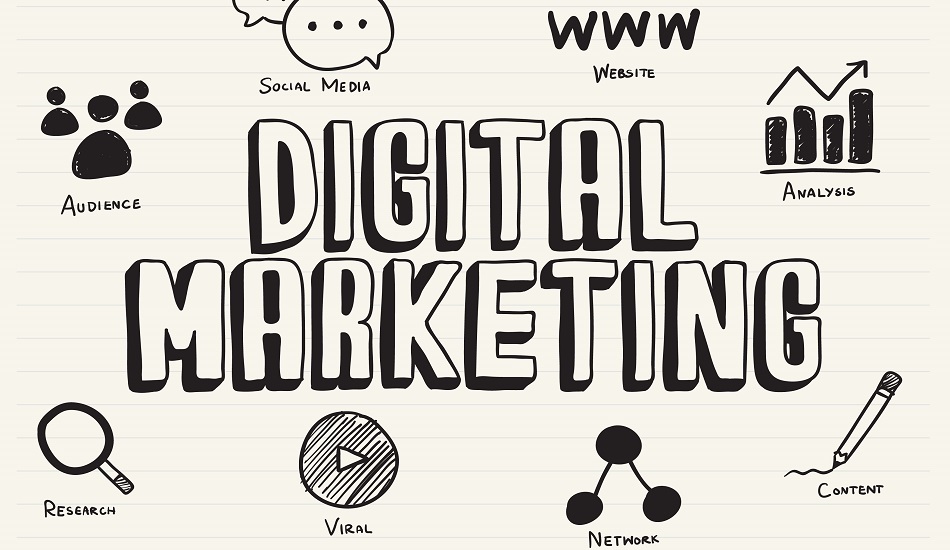
In today’s fast-moving digital landscape, marketing is no longer just about billboards and TV ads—it’s about building meaningful connections online. Whether you’re running a small local business or scaling a global brand, digital marketing plays a crucial role in how you reach, engage, and convert your audience. But with so many channels and tactics available, it can quickly become overwhelming. That’s why understanding the core pillars of digital marketing is essential. These foundational elements form the backbone of any successful strategy and help ensure your efforts are both effective and sustainable.
Search Engine Optimisation (SEO)
SEO is all about improving your website’s visibility on search engines like Google. When done right, it helps your business appear in front of people who are actively searching for your products or services. This includes optimising keywords, improving site speed, creating high-quality content, and earning backlinks. A strong SEO strategy drives organic (unpaid) traffic and builds long-term credibility. It’s not a quick fix, but it delivers lasting results.
Content Marketing
Content is at the heart of digital marketing. From blog posts and videos to podcasts and infographics, content marketing focuses on delivering valuable, relevant information to your audience. The goal isn’t just to sell, but to educate, entertain, and build trust. High-quality content positions your brand as an authority in your industry and keeps your audience coming back for more. Consistency and authenticity are key here.
Social Media Marketing
Social media platforms like Instagram, Facebook, LinkedIn, and TikTok offer powerful ways to connect with your audience. Social media marketing involves creating and sharing content, engaging with followers, and running targeted ad campaigns. Each platform has its own style and audience, so it’s important to tailor your approach accordingly. When used effectively, social media can boost brand awareness, drive traffic, and foster a loyal community.
Pay-Per-Click Advertising (PPC)
PPC is a form of paid advertising where you pay each time someone clicks on your ad. Platforms like Google Ads and social media channels allow businesses to target specific audiences based on demographics, interests, and behaviour. PPC is ideal for generating quick traffic and leads, especially when launching new products or promotions. However, it requires careful planning and optimisation to ensure a strong return on investment.
Email Marketing
Despite being one of the oldest digital channels, email marketing remains incredibly effective. It allows you to communicate directly with your audience in a personalised way. From newsletters and promotional offers to automated campaigns, email helps nurture leads and maintain customer relationships. A well-crafted email strategy can significantly boost engagement and conversions, especially when combined with other marketing efforts.
Analytics and Data Insights
You can’t improve what you don’t measure. Analytics is a critical pillar that helps you track performance and understand what’s working (and what’s not). Tools like Google Analytics provide insights into user behaviour, traffic sources, and conversion rates. By analysing this data, you can make informed decisions, refine your strategy, and maximise results. Data-driven marketing removes guesswork and ensures continuous improvement.
Conversion Rate Optimisation (CRO)
Driving traffic to your website is only half the battle—the real goal is turning visitors into customers. CRO focuses on improving your website and marketing funnels to increase conversions. This could involve tweaking landing pages, improving user experience, or testing different calls-to-action. Small changes can lead to significant improvements in performance, making CRO a vital component of digital success.
Final Thoughts
Digital marketing isn’t about chasing every new trend—it’s about mastering the fundamentals. By focusing on these core pillars, you create a strong, balanced strategy that can adapt as the digital landscape evolves. Each element works best when integrated with the others, forming a cohesive approach that drives real business results. Start with the basics, stay consistent, and always keep your audience at the centre of your efforts.
Author Bio: Stanley Xue is a digital marketing expert with extensive experience in helping businesses grow their online presence. He specialises in data-driven strategies, SEO, and performance marketing. Stanley is passionate about simplifying complex digital concepts into practical solutions. He continues to guide brands towards sustainable and measurable success.